
In brief
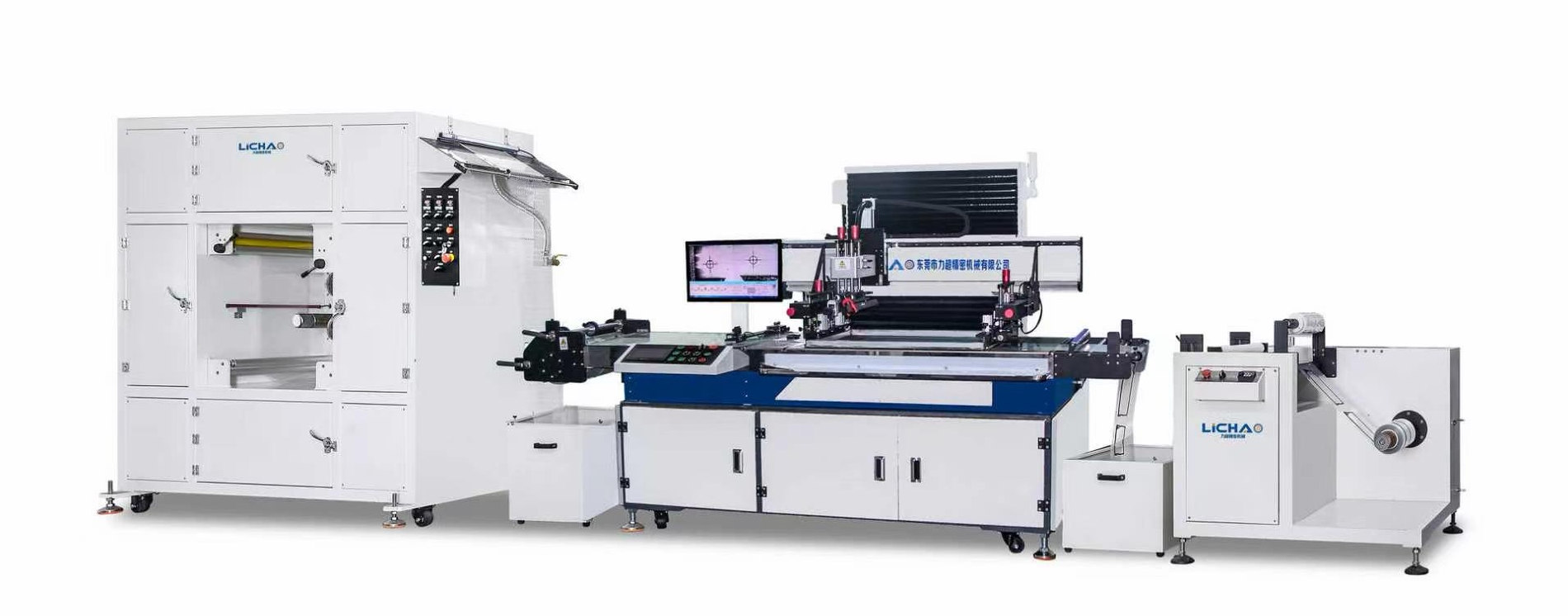
In manual and semi-automatic screen printing, most operator time goes to handling (placing and removing sheets, carrying to drying racks), registration by eye, and checking. A roll-to-roll line with mark tracking, CCD alignment, tunnel drying and automatic rewind removes those tasks; what remains is set-up, ink, roll change and quality checks. Count the minutes before you count the people.
Why this matters now
The International Federation of Robotics reports that China installed 295,000 industrial robots in 2024, 54 % of the world total, and that robot density across manufacturing keeps rising in Europe, Asia and the Americas. Printing shops face the same pressure: repetitive handling jobs are hard to staff, and quality that depends on one experienced printer is a risk.
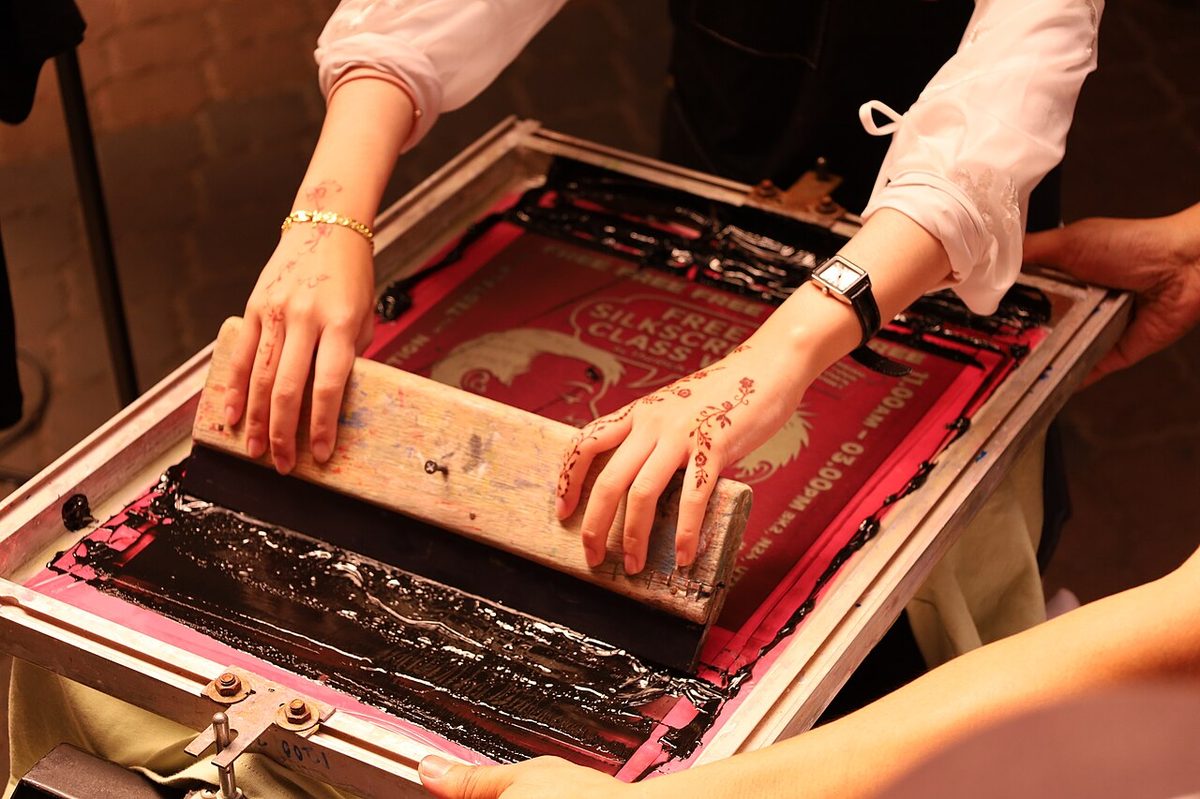
Where the minutes go: a task map
| Place and remove each sheet | Removed by roll-to-roll feeding, or by automatic loading on a sheet line |
|---|---|
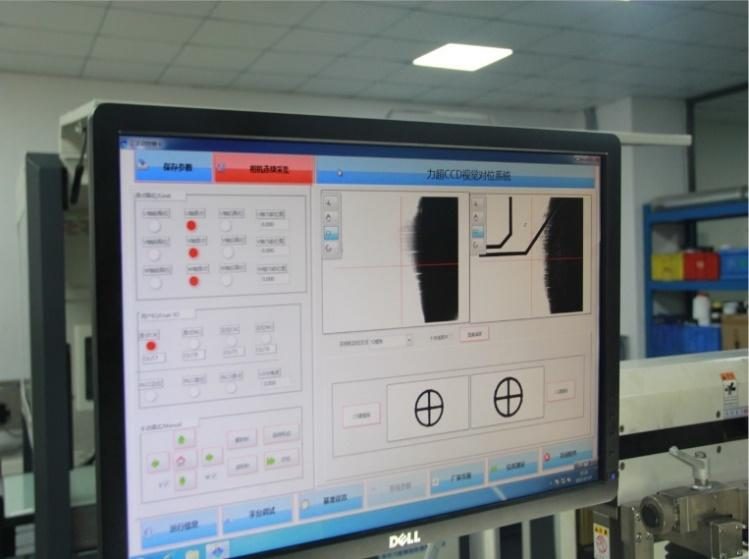
| Register each colour by eye | Photo-electric mark tracking sets the repeat; CCD cameras correct position before the stroke |
| Carry prints to drying racks | Tunnel dryer in line; the web goes straight from print to cure |
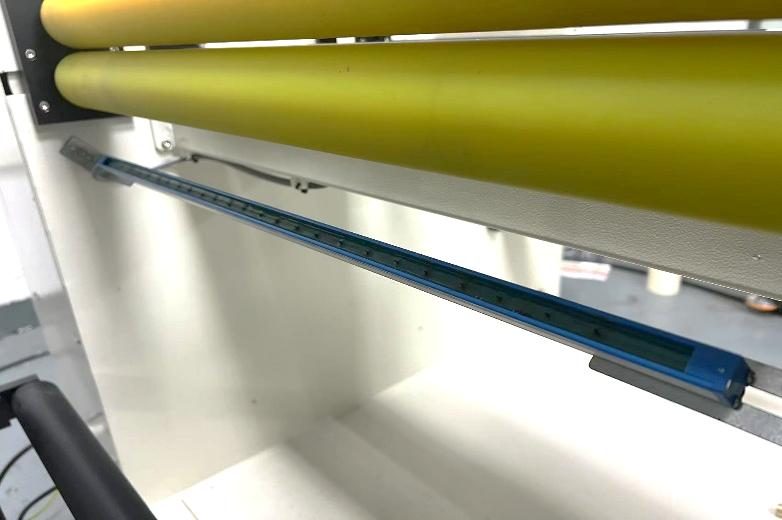
| Keep film straight and clean | Static bars at every infeed and outfeed, dust removal, automatic web guiding at rewind |
| Peel and re-apply protective film | Peeling station and two-side laminating rewind on the four-column line |
| Roll change | Dual unwind and splicing table reduce the stop; still needs a person |
| Ink, screen and squeegee set-up | Still a person — but see the quick-changeover guide |
| Final quality judgement | Still a person — post-print inspection table and roll records make it faster |
A staffing worksheet you can fill in
- List every task in one hour of production for one product, as in the table above.
- Time each task for a week on the current process. Do not estimate — stopwatch or video.
- Mark which tasks the proposed line removes, which it shortens and which it leaves unchanged.
- Add the remaining minutes per machine-hour. Under 30 minutes means one person can usually look after more than one machine, if alarms and access allow.
- Check the skills: removing registration-by-eye means the remaining operator can be trained faster, which matters as much as headcount.
Keep the worksheet with the purchase decision. It replaces the vague promise of “saving workers” with a number you measured.
What automation does not remove
- Process engineering: mesh, stencil, ink and cure settings still have to be right.
- Incoming material control: an unstable film defeats any registration system.
- Maintenance: cameras, sensors and rollers need cleaning and calibration schedules.
- Responsibility for quality release: someone must sign off each lot.
Frequently asked questions
How many operators does a roll-to-roll CCD screen printing line need?
It depends on product and roll length; measure the remaining tasks per machine-hour with the worksheet. Handling, registration by eye and rack drying are removed; set-up, roll change, ink and quality checks remain.
Is a sheet line or a roll line better for saving labour?
Roll lines remove the most handling on long runs of film. Automatic sheet lines with CCD positioning are better when material is cut sheets or designs change often.
Will automation lower quality skills in the factory?
It moves skills from manual registration to set-up, process control and maintenance. Plan training for those roles.
References and fact sources
- IFR — Robot density surges in Europe, Asia and Americas (World Robotics 2025)
- LICHAO LC-6080SYJ-C roll-to-roll CCD screen printer — specification
- LICHAO LC-FZSYJFG-6060 four-column CCD roll-to-roll line — specification
Original process guidance. Equipment parameters come from LICHAO specification sheets; verify process fit with your own materials and samples.
Send your film, drawing, layer structure and acceptance criteria. Mr. Yang can discuss a trial plan.
Contact us ↗