
In brief
SMED, developed by Shigeo Shingo, separates set-up work into internal tasks (machine must stop) and external tasks (can be done while the previous job runs), moves as much as possible to external, then streamlines what remains. In screen printing the big internal tasks are screen and squeegee change, ink change, registration set-up and roll change.
The SMED idea in one paragraph
The Lean Enterprise Institute describes Shingo’s method as separating internal set-up (machine stopped) from external set-up (machine running), converting internal to external, and then streamlining both. “Single minute” means single-digit minutes, not literally one minute.
Map a screen printing changeover
| Prepare the next screen, squeegee and flood bar | External: do it during the previous job, store ready-to-mount |
|---|---|
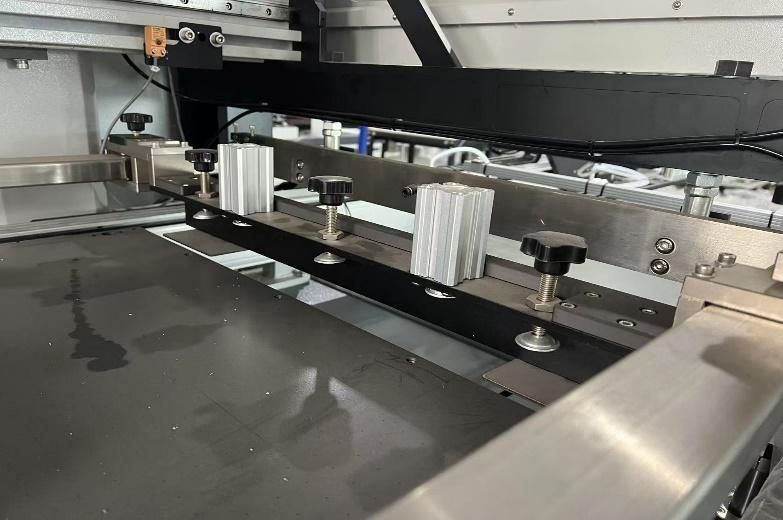
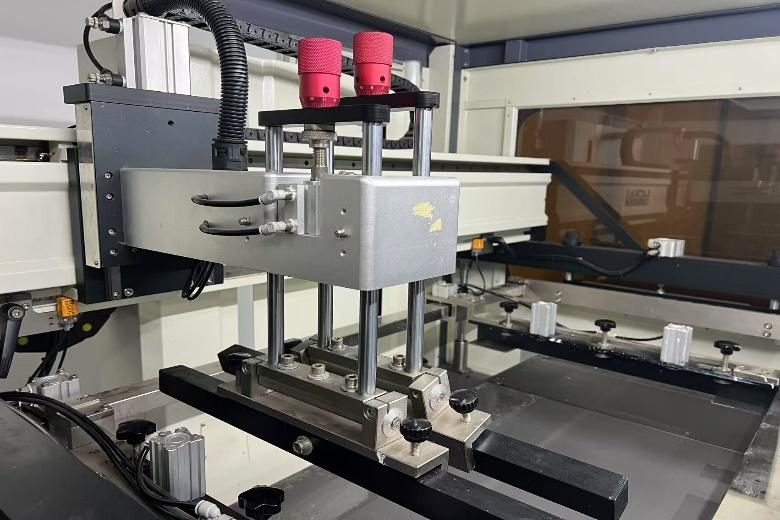
| Remove and mount the screen | Internal: shortened by cylinder clamping with manual handles |
| Ink change and clean-up | Partly external: pre-mix and label ink; keep a cleaning kit at the machine |
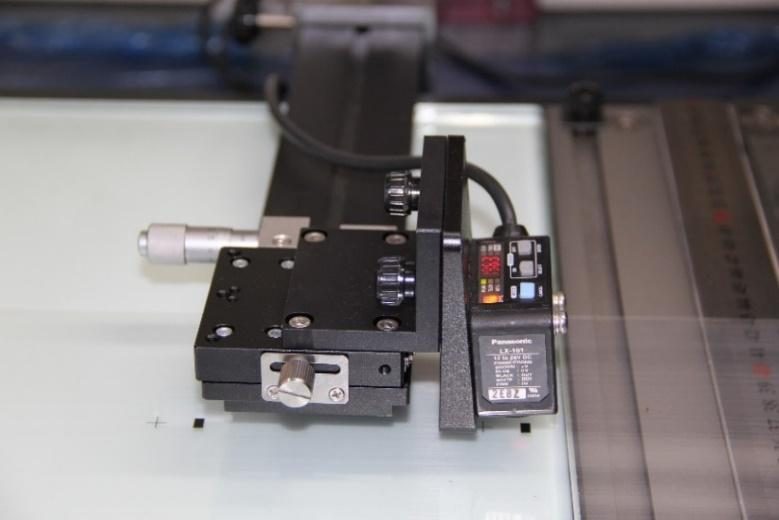
| Registration set-up | Internal: shortened by mark tracking and CCD alignment instead of trial-and-error by eye |
| Dryer temperature change | External if planned: sequence jobs by cure temperature |
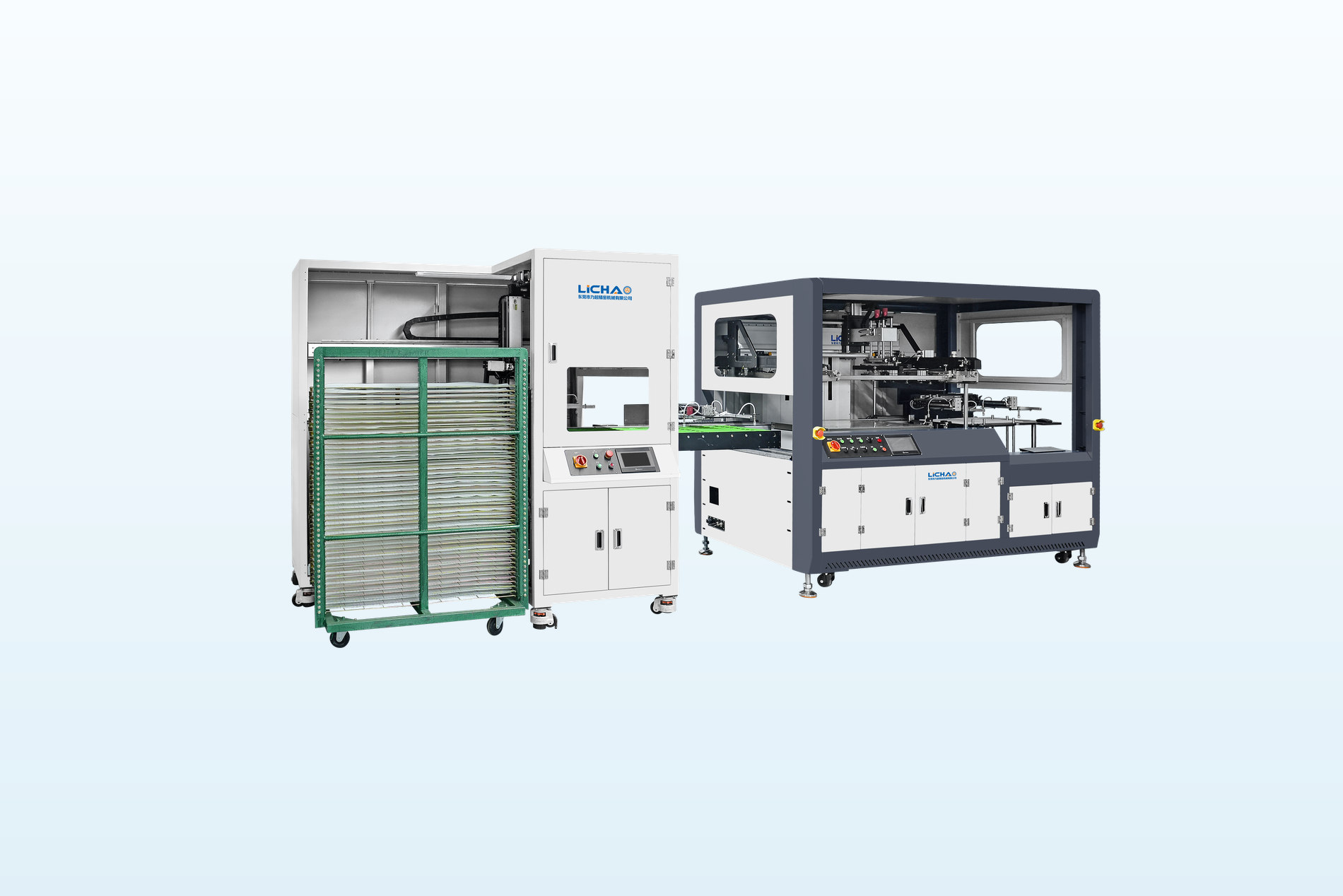
| Roll change | Internal: shortened by dual unwind and a splicing table |
| First-piece approval | Internal: prepare the check sheet and reference sample in advance |
Five steps to run on your own line
- Video one full changeover from the last good piece of job A to the first good piece of job B.
- List every task with its time; mark internal or external.
- Move external tasks out of the stop: carts with the next screen, squeegee, ink and approved sample.
- Shorten internal tasks: clamps instead of bolts, fixed screen positions, stored parameters where the machine supports them.
- Standardise and repeat: a written changeover sheet, then measure again.
Machine features that matter for changeover
- Screen frame fixing by pneumatic cylinders plus handles rather than many bolts.
- Camera registration so the first good print comes from correction, not repeated test prints.
- Dual unwind and splicing table on roll lines to shorten roll changes.
- An HMI with clear CCD and parameter pages so set-up is repeatable by different operators.
Frequently asked questions
What does SMED mean for a screen printing shop?
Measuring changeover, separating tasks that need the machine stopped from those that do not, and moving or shortening them so small batches become economical.
Is a sheet printer or a roll line faster to change over?
Sheet printers usually change designs faster; roll lines change faster than before with frame clamping, CCD registration and dual unwind. Measure on your own jobs.
Do I need new equipment to start SMED?
No. Start by filming and separating tasks on the current line; equipment features then shorten the internal tasks that remain.
References and fact sources
- Lean Enterprise Institute — Single Minute Exchange of Die (SMED)
- Single-minute exchange of die (Wikipedia)
- LICHAO LC-FZSYJFG-6060 four-column CCD roll-to-roll line — specification
Original process guidance. Equipment parameters come from LICHAO specification sheets; verify process fit with your own materials and samples.
Send your film, drawing, layer structure and acceptance criteria. Mr. Yang can discuss a trial plan.
Contact us ↗